
Remarkable progress in assisted reproduction as the ASPIRE Congress returns to China, where it all began 20 years ago
Media Release, 8 May 2026
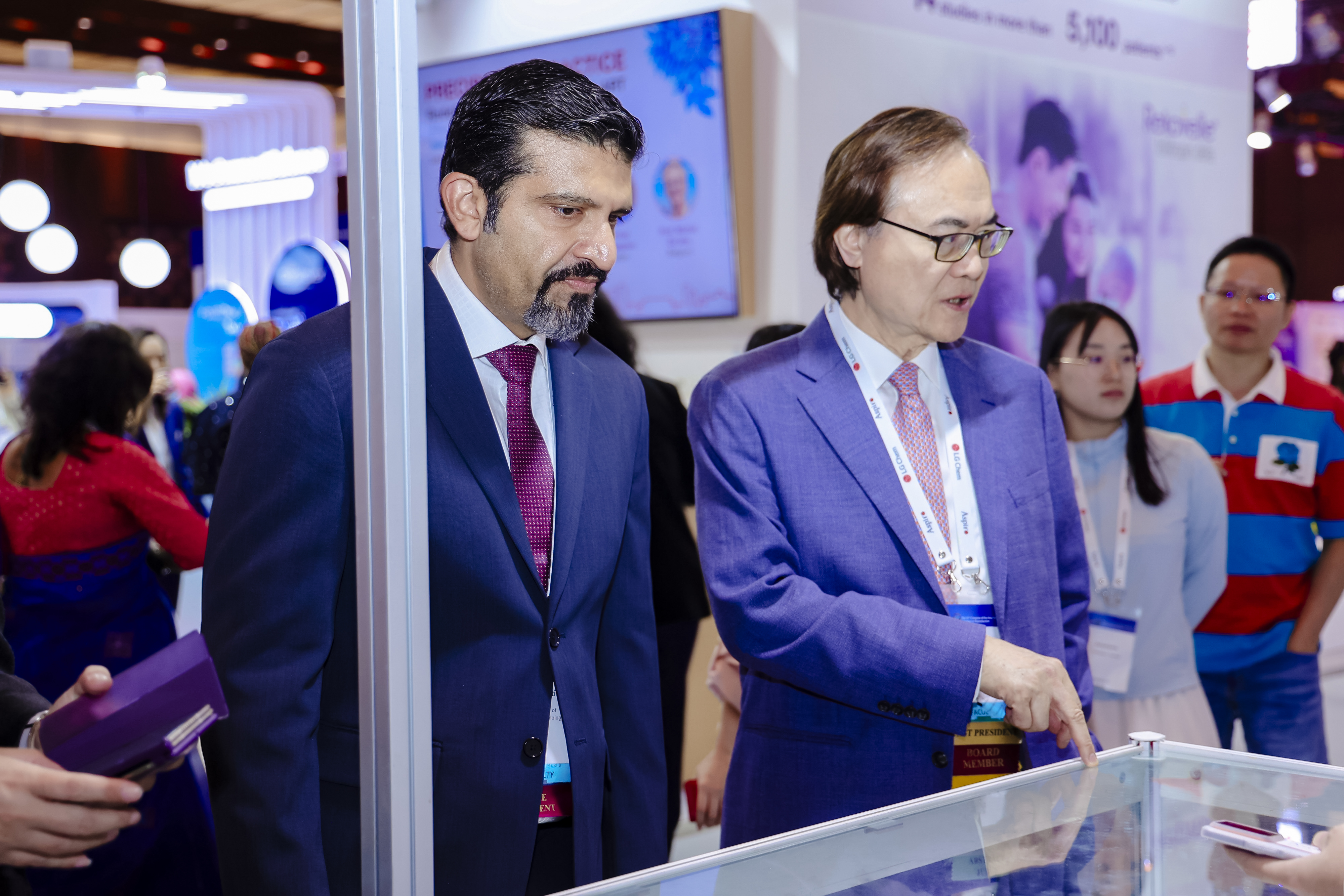
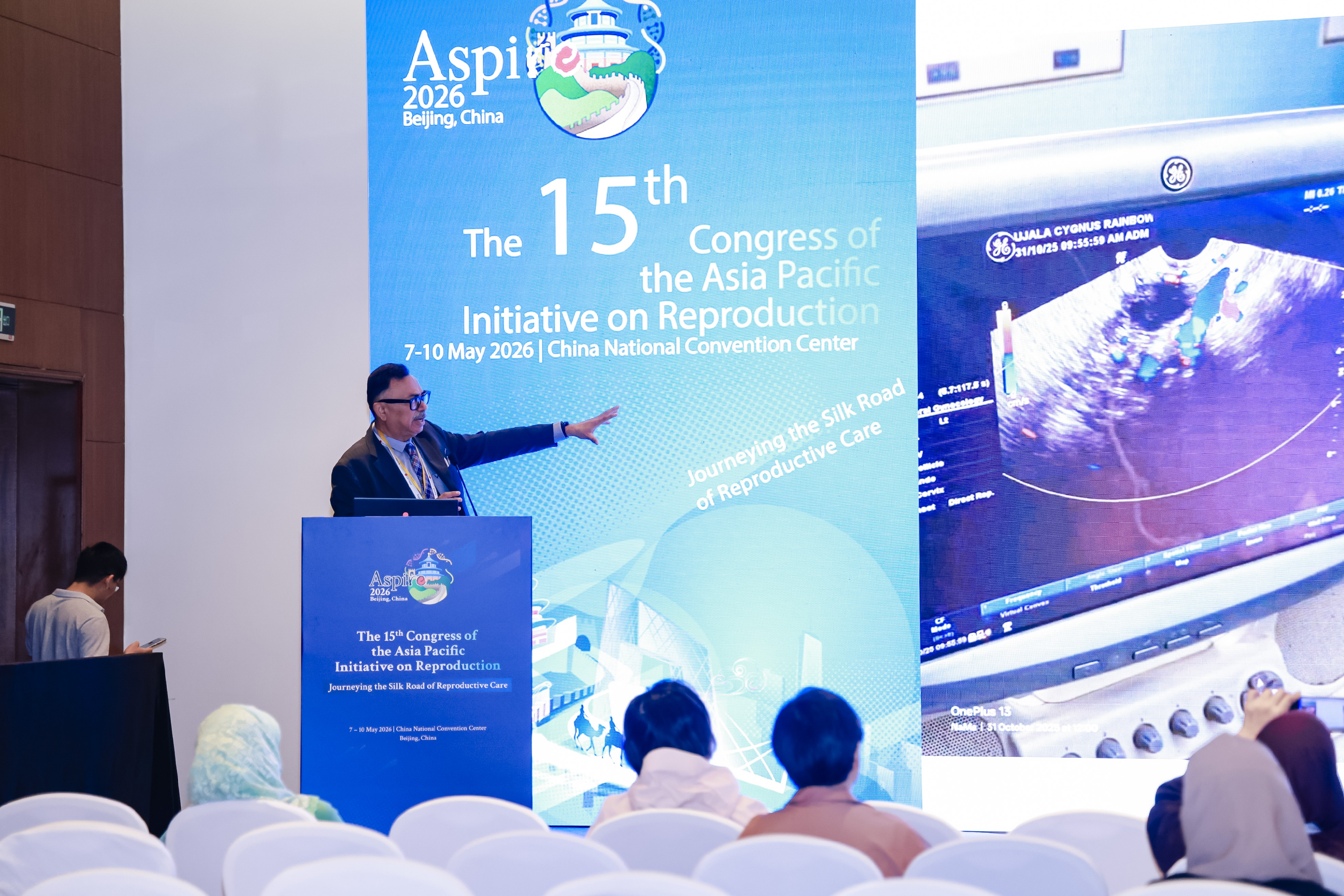
Journeying the Silk Road of Reproductive Care is the theme of the 2026 Congress of the Asia Pacific Initiative on Reproduction (ASPIRE) to be held at the China National Convention Centre in Beijing from 7 to 10 May.
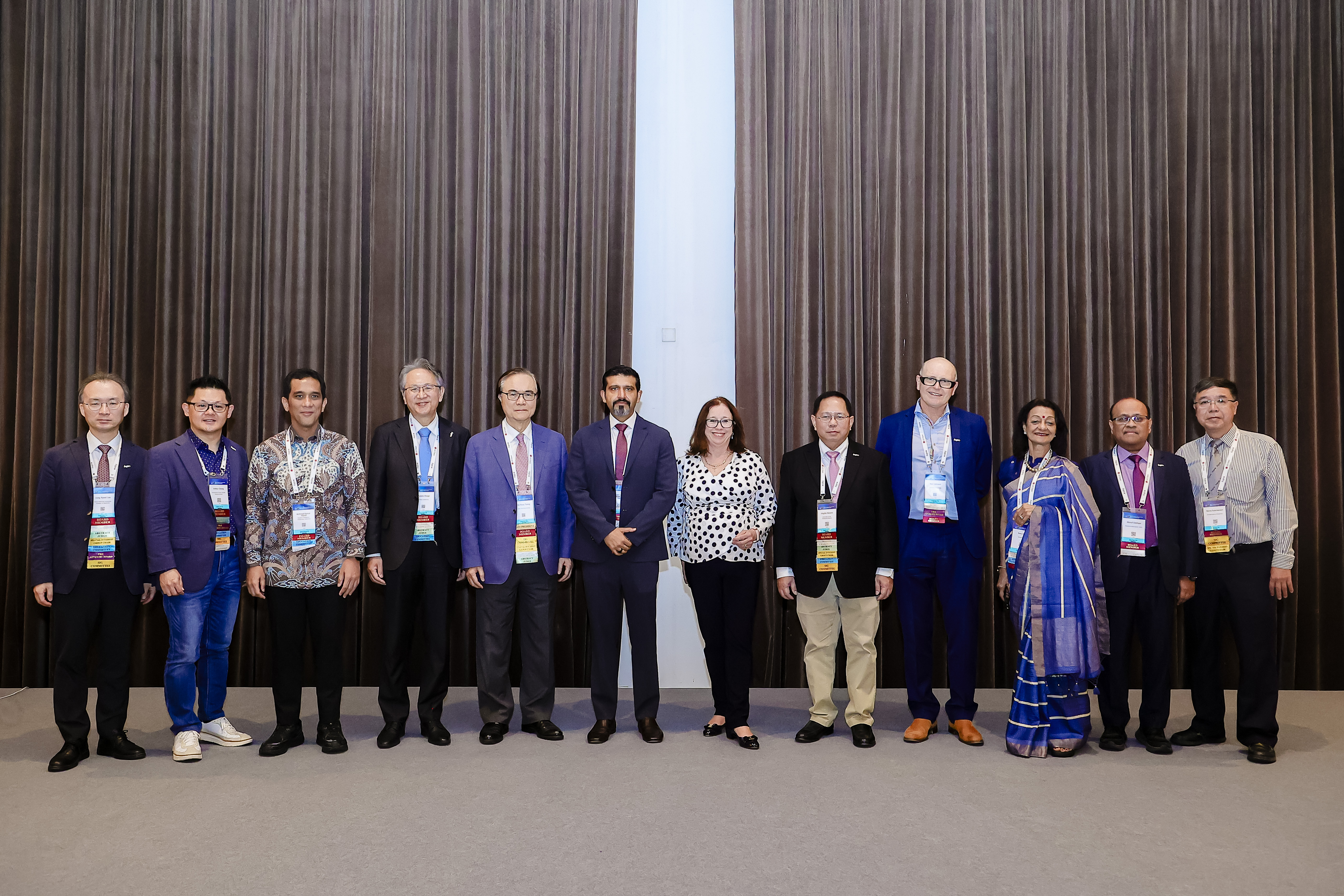
The Congress has brought together thousands of renowned fertility specialists from across the globe to address latest advances in assisted reproduction. It showcases ASPIRE’s commitment to fostering communication and collaboration in reproductive science and medicine geared to the best possible outcomes for the one in six couples who experience infertility.
Background
The first IVF baby in China’s mainland was born in the Peking University Third Hospital (then named the Third Hospital of Beijing Medical University) in 1988, a decade after the first so-called test-tube baby in England.
At that time, there was controversy over whether to conduct assisted reproductive research because it was a period of strict family planning policy. Infertile patients faced difficulties under early restrictive family planning policies, which also brought complex challenges to the development of assisted reproductive research and medicine in China.
Among the most notable pioneers of assisted reproductive technology (ART) in China were gynaecologist Zhang Lizhu of Beijing’s Medical University Third Hospital, geneticist Lu Guangxiu of the CITIC-Xiangya Reproductive and Genetic Hospital in Changsha, and Professor Zhuang Guanglun of the Reproductive Medicine Centre, the First Affiliated Hospital of Sun Yat-sen University.
Professor Zhang Lizhu achieved the birth of the first IVF baby in the Chinese mainland in 1988 earning her the title “Mother” of IVF. Professor Lu Guangxiu established the country’s first human sperm bank and led the team that achieved another milestone with the birth of China’s first donated-embryo transplant test-tube baby.
Professor Zhuang Guanglun is often referred to as the “Father of IVF” in China’s mainland. He led the team that completed the country’s first successful Intracytoplasmic Sperm Injection (ICSI) procedure introducing a crucial technique for treating severe male infertility.
Against numerous setbacks, they developed novel ART procedures addressing fertility-related challenges in the Chinese context, not the least of which was tuberculosis-induced infertility.
Like other countries across the Asia Pacific, China now faces a serious decline in total fertility rates with negative population growth creating a demographic crisis. China’s population is expected to drop by 204 million people between 2024 and 2054. It could lose 786 million people by the end of the century, returning its population to levels last seen in the 1950s.
As infertility has become more prevalent, demand for ART has surged creating a rapidly expanding industry. The Chinese Government has introduced policies to make ART more accessible and affordable, including medical insurance coverage for fertility treatments and regional subsidies.
However, legal restrictions remain, particularly for single women seeking elective egg freezing to preserve their fertility.
Professor Jie Qiao, Director of Peking University Health Science Centre, will be a keynote speaker at ASPIRE’s 2026 Congress in Beijing.
She has been working on reproductive biology and the pathology of infertility since 1990. Her reproductive research focus has been on the molecular mechanism of human gametogenesis and embryo development, infertility causes and clinical treatments, the protection and preservation of female fertility, and the development of new pre-implantation diagnosis methods.
She has led a research team in technical and theoretical breakthroughs in the systematic study of human embryonic development with many landmark contributions to reproductive medicine.
Professor Qiao has served as Director of the National Clinical Research Centre on Obstetrics and Gynaecology Disease, National Centre for Healthcare Quality Management in Obstetrics, President of China Women Doctors’ Association and Chair for the Reproductive Medical Society of Chinese Medical Doctors’ Association.
She has contributed the following reflection on the development of assisted reproductive technology research in China.
In the 1960s, Professor Zhang Lizhu, while treating reproductive endocrine diseases, encountered a large number of infertile patients. She was later influential in the establishment of one of China’s earliest reproductive endocrinology laboratories.
Inspired by the birth of the world’s first test-tube baby, Professor Lizhu – leading Peking University Third Hospital in collaboration with Hunan Xiangya Medical College and Union Hospital – applied to the Ministry of Health to research the breakthrough technology.
This led to the birth of the project Research on the Protection, Preservation and Development of Early Human Embryos, which was included as a key project in the Chinese National Seventh Five-Year Plan.
Since the birth of China’s mainland first test-tube baby in 1988 Chinese ART scientists have continuously tackled key challenges in reproductive disorders achieving new milestones including the following:
-
1995 – China’s mainland first frozen-thawed embryo test-tube baby was successfully delivered at Peking University Third Hospital;
-
1996 – the First Affiliated Hospital of Sun Yat-sen University Medical School completed mainland China’s first Intracytoplasmic Sperm Injection (ICSI) test-tube baby;
-
2006 – Peking University Third Hospital successfully nurtured China’s first and the world’s second “three types of frozen” (frozen egg, frozen sperm, frozen embryo) test-tube baby; and
-
2014, Peking University Third Hospital successfully delivered the world’s first test-tube baby screened for single-gene genetic disorders using MALBAC genomic amplification and high-throughput sequencing (otherwise referred to as the “MALBAC baby”). This marked China’s world leading level in pre-implantation genetic diagnosis technology.
On March 31, 2006, the first ASPIRE Congress was grandly held in Changsha. Over 300 experts and scholars from Chinese mainland, Hong Kong, Taiwan, and 19 other countries and regions – including the United Kingdom, Australia, Denmark, and Finland – participated in this conference.
At this inaugural meeting, Chinese ART practitioners primarily acted as learners and participants.
However, since 2006 ART in China has achieved world-renowned accomplishments with continuous expansion of assisted reproductive services.
In 2007, there were only 64 ART institutions approved by the Ministry of Health. As of June 30, 2025, the number of medical institutions approved to perform human ART in China reached 635.
In recent years, ART in China has developed rapidly, with the number of births exceeding 300,000, accounting for about three per cent of the total births. The number of treatment cycles has surpassed 1.2 million, representing approximately 30 per cent of global total ART cycles.
Accessibility to the technology has been greatly enhanced. A strict regulatory system has been formed and improved, encompassing technical specifications, ethical principles, approval procedures, medical security, inspection details and training base Management.
An extremely strict system has been established for access, implementation and supervision of ART technology. The establishment of national and provincial quality control centres ensures the safe and compliant use of the technology. In recent years, ART procedures have been gradually included in medical insurance reimbursement scopes.
By 2025, all 31 provinces (autonomous regions and municipalities directly under the Central Government) and the Xinjiang Production and Construction Corps have included ART in their medical insurance reimbursement schemes. This has significantly reduced the financial burden on patients and improved accessibility.
Public understanding of infertility and ART has become more inclusive enabling greater numbers of people to openly seek professional help. In particular, the successful birth of the world’s first MALBAC baby propelled ART in China and the world. This subsequently led to the emergence of new pre-implantation genetic testing methods to meet the needs of more patients.
To help address declining fertility and reproductive ageing in China, a fertility preservation technology system centred on cryopreservation techniques is developing rapidly.
Clinical scientists and basic biologists in reproductive medicine in China are focusing on gamete and early embryonic development. They are successfully deciphering the mysteries of reproduction across multiple levels, such as genetics and epigenetics, achieving world-acclaimed results.
Concurrently, in-depth research on the mechanisms of reproductive diseases is being conducted. For instance, exploring the etiology of Polycystic Ovary Syndrome (PCOS), the most common reproductive endocrine disorder, using gut microbiota as an entry point, has provided highly effective insights for investigating the mechanisms of this disease.
In recent years, we have seen the integration of cutting-edge tools from multi-omics, gut microbiota, stem cell technology and single-cell analysis to big data models empowering fertility assessment, and the gradual exploration of digital cell empowerment.
In summary, the progress of ART in China over the past 20 years represents a remarkable journey from scale expansion to quality enhancement. It has not only helped millions of families realise their dream of parenthood, but has also profoundly influenced China’s demographic structure and social perceptions.
For details on the ASPIRE 2026 Congress in Beijing, go to https://www.aspire2026.com
Interview
Professor Jie Qiao is available for interview.
To arrange, please contact Trevor Gill, ASPIRE Congress Media Relations.
Tel: (Australia) 61 418 821948 or email lighthousepr@adelaide.on.net